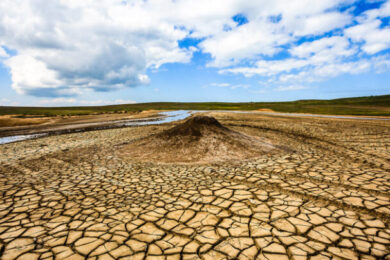
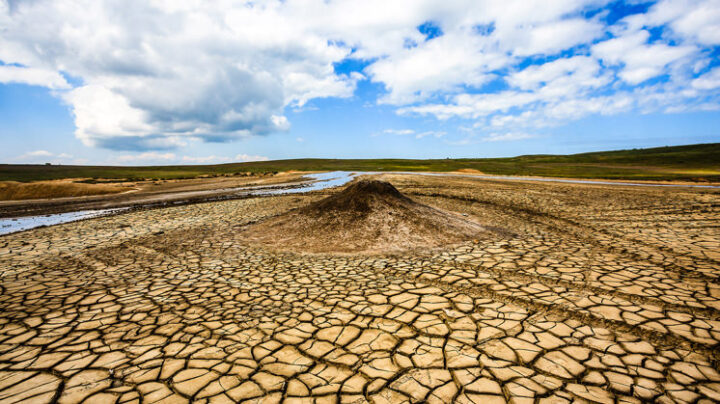
The ECOWAS Parliament has raised concerns over worsening climate risks across West Africa, warning that floods, drought, extreme heat and unpredictable rainfall are increasingly threatening livelihoods, infrastructure and regional stability.
The bloc made the warning at its parliament’s second extraordinary session and second parliamentary seminar in Accra, Ghana.
The seven day seminar, , which began on Monday, is focused on climate change as a driver of environmental degradation, population displacement and growing insecurity in the ECOWAS region.
Mémounatou Ibrahima, ECOWAS parliament speaker, said climate disruption could no longer be viewed only through statistics and projections.
Ibrahima noted that declining land productivity, retreating coastlines, flooded neighbourhoods, lost livelihoods and communities have forced citizens to relocate.
Raoul Kouame, ECOWAS commission principal officer for climate change and climate services, called for harmonised climate policies and standards, stronger coordination between regional and national institutions and better access to climate finance.
He identified lack of coordination, differences in national capacity and financing difficulties as barriers to climate action.
Also speaking, Derek Sarfo-Yiadom of Ghana’s Environmental Protection Authority, said extreme heat, drought, heavy and unpredictable rainfall and rising sea levels were already affecting communities.
He said seasonal temperatures had risen by between one and three degrees celsius since 1970, contributing to hotter heatwaves and changing rainfall patterns.
The concerns have particular implications for Nigeria. The National Emergency Management Agency (NEMA) says 14,118 communities across 266 LGAs in 33 states and the federal capital territory face high flood risk this year alone.
Sarfo-Yiadom warned that climate pressures could also contribute to displacement and conflict, particularly in communities dependent on agriculture and natural resources.