
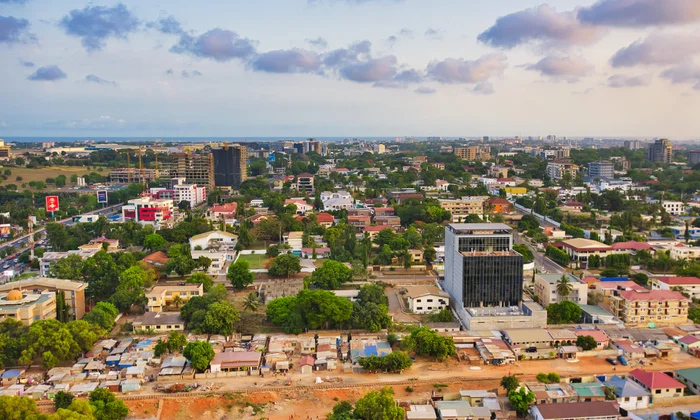
From Freetown to Cairo, cities across Africa are losing their nighttime relief from the heat. A new global study warns that dangerously hot nights are rising sharply across the continent, putting millions at risk, even as attention often stays fixed on sweltering daytime highs.
The study, released at the COP30 Local Leaders Forum in Rio de Janeiro, analysed three decades of weather data across 100 cities worldwide. It found that 83% of them now experience sustained rises in nighttime temperatures, with African cities among those warming fastest.
Researchers from Climate Resilience for All say this hidden rise in heat after dark is one of the biggest blind spots in current climate policy.
“Before this analysis, we did not know how rapidly nighttime heat has been rising within the most dangerous air masses,” said Larry Kalkstein, a climatologist and the study’s lead author.
“It’s critical to understand how the heat that sends people to the hospital is shifting, and what we are missing when we focus only on daytime highs.”
Sleepless Heat
The research shows that 13 of 15 African cities studied recorded increasing nighttime heat during humid (“moist tropical”) weather, while 10 of 14 cities showed the same trend during dry, arid (“dry tropical”) weather.
In Agadir, Morocco, nighttime temperatures are climbing by 1°C every 5.6 years, the fastest rise recorded on the continent. In Cairo, the temperatures are increasing by 1°C every 16.8 years.
As nights get hotter, the body loses its chance to cool down and recover from daytime heat. The consequences, dehydration, heart strain, and disrupted sleep, are especially dangerous for older people, women, and families living in cramped, poorly ventilated homes.
 “No Cool Nights Anymore”
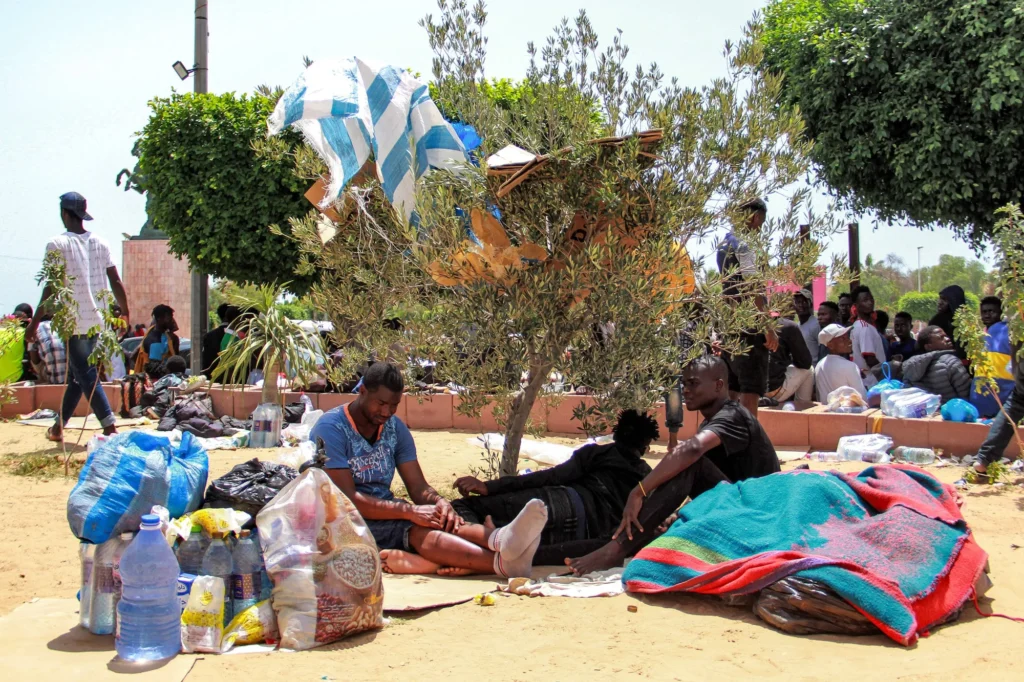
The warning echoes through cities that already struggle with chronic heat.
“This study reflects the lived reality of many cities in the Global South,” said Yvonne Aki-Sawyerr, mayor of Freetown, Sierra Leone. “Market women endure extreme heat all day and then return to homes that are dangerously hot at night.”
Heat That Doesn’t Sleep
Between 1994 and 2024, the study found:
- Nighttime temperatures are rising faster than daytime highs in many cities — up to 12 times faster in some.
- The frequency of humid heatwaves (“moist tropical” weather) has increased by nearly 49% in Africa, adding roughly one more hot day every 2.5 years.
- Dry, searing weather patterns (“dry tropical”) are up 14%, replacing what used to be cooler, more breathable air.
A 24-Hour Crisis
Experts warn that governments must update early warning systems, public-health advisories, and city plans to reflect that extreme heat no longer stops at sunset.
“We want this analysis to mobilise leaders to see extreme heat as a 24-hour crisis,” said Kathy Baughman McLeod, CEO of Climate Resilience for All. “High nighttime temperatures are a critical blind spot, one that costs lives quietly, in people’s sleep.”
As the planet warms, cities that never used to worry about heat after dark are finding their nights suffocating. The climate emergency, scientists say, is no longer just a matter of hotter days, but of nights that refuse to cool.