Climate change is tightening its grip on global food systems, and households are already feeling it in rising prices.
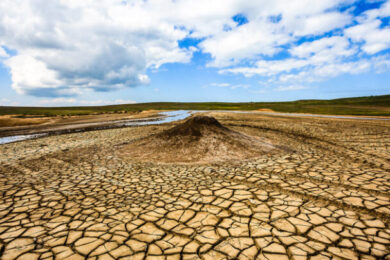
Food production is responsible for roughly a quarter of the world’s heat-trapping pollution. Yet the same warming trend is hitting the sector hard. Extreme heat, unpredictable rainfall, wildfires, droughts and storms are damaging crops and disrupting supply chains. When the climate wobbles, food prices climb.
Across the world, families, farmers and food vendors are navigating the consequences. For millions who already struggle to afford nutritious meals, every price jump bites deeper.
A fragile system feeling the heat
Food security rests on predictability — stable weather, steady demand and functioning markets.
Climate change is stripping this stability away.
Long-term warming, shifting rainfall, and more frequent extremes have turned fields into risky investments. From the planting season to the moment food lands on the plate, the disruptions keep adding up.
Socioeconomic shocks such as conflict, recessions, pandemics and trade disputes also influence prices. But climate pressures are now amplifying these disruptions, creating a perfect storm that pushes food further out of reach for many communities.
When the climate shifts, prices follow
Around the world, people increasingly link climate change to higher grocery bills.
Surveys show food price hikes are now second only to extreme heat as the most common way people feel climate impacts.
In several African nations, food is among the top household expenses. Prices have grown faster than overall inflation over the past decade, and climate-linked shocks are a contributing factor.
Research is helping to quantify this connection. A 2024 analysis of 27,000 monthly consumer price records across 121 countries found a clear pattern: a 1°C rise in monthly temperature pushes food inflation up, and the effect lasts for at least a year. Hotter regions face the steepest increases.
These findings mirror earlier studies showing that climate-driven declines in staple crop production — including corn, soybeans and wheat — will push food costs higher in the coming decades.
Climate extremes are already spiking prices
The trend is no longer theoretical. Recent years have delivered stark examples of climate shocks translating directly into price surges:
- California and Arizona’s 2022 drought helped send U.S. vegetable producer prices soaring by 80%.
- Brazil’s 2023–2024 drought, paired with new U.S. tariffs, pushed global coffee prices up by 55% in August 2024, with further increases continuing into 2025.
- West Africa’s cocoa belt — Ghana and Côte d’Ivoire — saw cocoa prices surge by 280% in April 2024 after prolonged drought and a punishing heatwave.
- Florida’s orange harvest collapsed in 2022–2023 after Hurricane Ian battered citrus groves, worsening losses already driven by a fast-spreading disease.
These events show how climate change can disrupt food markets with speed and force, often compounding existing social and economic pressures.
Why this matters for Africa
While this research comes from diverse regions, Africa’s exposure is even sharper.
Food imports remain high in many countries, making economies vulnerable to global price swings. At the same time, local farmers, most of whom depend on rain-fed agriculture, are already facing heat extremes, drought, and erratic rainfall that threaten yields.
For communities where food can take up 40% or more of household income, even modest climate-related inflation can push families from coping to crisis.
What needs to happen
The science is clear: without rapid climate action and strong adaptation strategies, food will become increasingly difficult and expensive to secure.
Strengthening early-warning systems, investing in heat-tolerant crops, reducing post-harvest losses, and supporting smallholder farmers with climate-smart tools will be essential.
Consumers, policymakers and businesses all have a role to play in building food systems that can survive a hotter, more volatile world.
The climate is changing. Food is changing with it. The question now is whether our response will be fast enough.