
Climate change could reduce malaria transmission in Nigeria by about 5 percent as rising temperatures could make parts of the country too hot for malaria-carrying mosquitoes to survive, according to a new study published in Nature.
The study projects that climate change will significantly alter the geographical distribution of malaria across Africa, with some regions experiencing increased transmission while others see a decline.
“Our results suggest that climate change could be synergistic with eradication efforts in countries such as Nigeria and the Democratic Republic of the Congo, where the present-day burden of malaria is highest, but will continue to create new risks in countries such as Ethiopia and South Africa,” the study reads.
According to the World Health Organisation (WHO), Nigeria accounts for about 27 percent of global malaria cases and about 31 percent of global malaria deaths in recent estimates.
The science journal noted that it found in another recent study that passive changes in climate, land use and development will lead to modest reductions in malaria prevalence over the next 25 years.
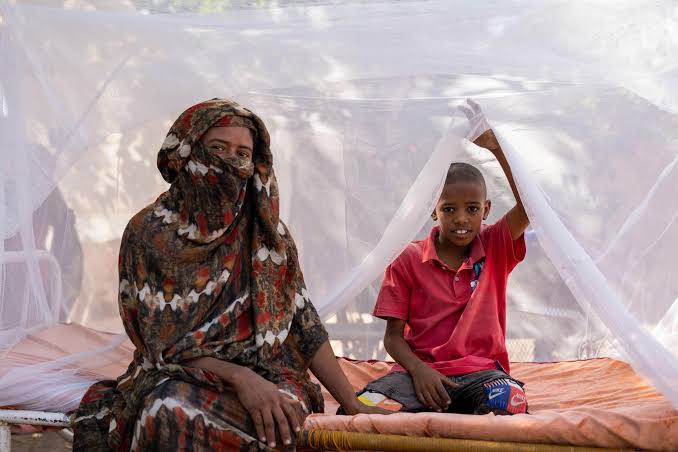
Researchers said with 80 percent effective coverage of chemotherapy, indoor residual spraying and insecticide-treated nets, malaria could be nearly eliminated in sub-Saharan Africa by 2050.
The researchers said governments must combine efforts to limit greenhouse gas emissions with stronger disease surveillance and localised health planning to prepare for changing malaria patterns.
They also stressed the need for proactive adaptation, particularly in regions where transmission could increase and health systems have less experience managing the disease.