Africa’s grasslands are being pushed to the breaking point as livestock numbers surge faster than the land can recover, a major new study has warned.
Nearly half of the continent’s rangelands are now grazed beyond safe ecological limits, raising fresh concerns about food security, rural livelihoods and the future of pastoral communities.
The warning comes as the United Nations prepares to designate 2026 as the International Year of Rangelands and Pastoralists, a move meant to spotlight landscapes that support millions of Africans and underpin key food systems.
Researchers say the clock is already ticking.
Too many animals, too little pasture
The study, published in Nature Communications, finds that grasslands in 25 of Africa’s 49 countries are under severe pressure due to a rapid rise in livestock numbers, combined with mounting climate stress.
By 2020, Africa was home to more than 529 million tropical livestock units, about 60 percent more than in 2001. Just ten countries account for nearly 70 percent of that total.
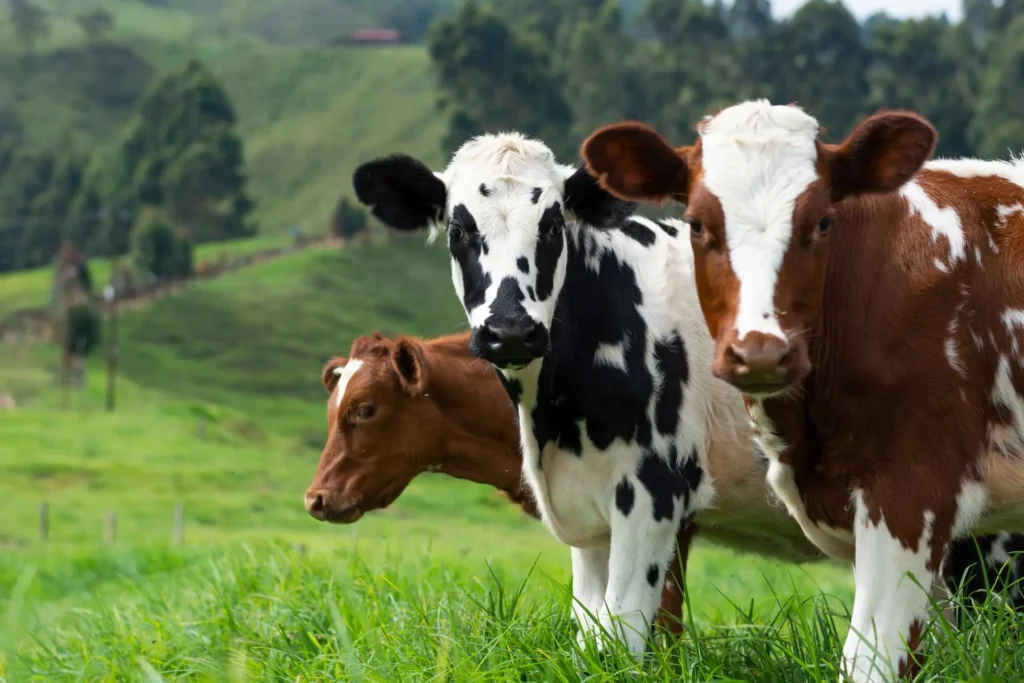
Cattle, goats and sheep remain the backbone of pastoral economies across the continent. But the land they depend on is struggling to keep up.
While grasslands are producing more plant biomass than they did two decades ago, the increase is nowhere near enough to sustain the pace of livestock growth, the researchers say.
The result is widespread overgrazing, especially in northern Africa.
A continent split in two
The pressure is not evenly spread.
More than half of Africa’s overgrazed grasslands are concentrated in the north, including parts of the Sahel and countries bordering the Sahara. In these fragile zones, even small increases in grazing can trigger sharp declines in pasture quality.
East Africa is also flashing red. Parts of Kenya, Ethiopia, Somalia, South Sudan and Uganda are experiencing serious overexploitation, worsened by recurrent droughts.
In Kenya, the near-total failure of the 2025 short rains has deepened a drought emergency, hitting pastoral regions hardest. Poor pasture recovery, dwindling water sources and falling livestock productivity have pushed many households closer to crisis.
Yet further south, a different picture emerges.
Large stretches of pasture in Southern Africa remain underused. About 27 percent of Africa’s grasslands, mostly in the south, show long-term low grazing pressure. Thirteen countries fall into the “extremely low utilisation” category.
Central Africa also stands out for relatively sustainable grassland use, with countries such as the Central African Republic, Sierra Leone and Côte d’Ivoire recording low pressure.
The imbalance, researchers say, points to a failure of coordination rather than a lack of land.
Climate change makes it worse
Livestock growth is the main driver of grassland stress, but climate change is amplifying the damage.
The study shows sharp drops in grassland carrying capacity during years marked by extreme weather, including 2002, 2015 and 2019, when floods, droughts and cyclones hit wide parts of the continent.
Wetter years can offer brief relief. Prolonged droughts do the opposite, stripping grasslands of their ability to recover and accelerating degradation.
As climate shocks become more frequent, the margin for error is shrinking.
A new warning system for rangelands
To track long-term stress, the researchers developed a Grassland Carrying Capacity Alert Index, an early-warning tool that classifies grasslands from extremely low use to serious overexploitation.
They say it could help governments and regional bodies spot danger early, guide grazing policies and avoid irreversible damage.
But tools alone will not fix the problem.
Rethinking how Africa grazes
The study argues for a rethink of pastoral management across borders.
Shifting some livestock development towards underused pastures in Southern Africa, while easing pressure in the north, could help rebalance the system. Better coordination between countries would be essential.
At local levels, controlled and rotational grazing could reduce damage, though the researchers caution against blanket solutions. Evidence from South Africa shows that rotational grazing does not always outperform continuous grazing.
They also urge a move away from simply increasing herd sizes, towards higher-value livestock products. That transition, however, carries social risks. Fewer animals can mean less income for pastoral families unless alternative livelihoods are in place.
In severely overgrazed areas, temporary use of external feed could give grasslands time to recover.
The data gap
One major obstacle remains poor data.
National livestock figures often hide local hotspots of pressure. The researchers call for high-resolution, location-specific data that can distinguish between edible and non-edible grasses, information critical for decisions on the ground.
Africa’s grasslands are resilient, but not limitless. Without urgent, coordinated action, the land that feeds millions could quietly slip beyond recovery.