The Hydrocarbon Pollution Remediation Project (HYPREP) has begun developing a new 2026–2031 strategic plan to guide the next phase of environmental restoration in Ogoniland, with a focus on completing outstanding projects and protecting areas already restored.
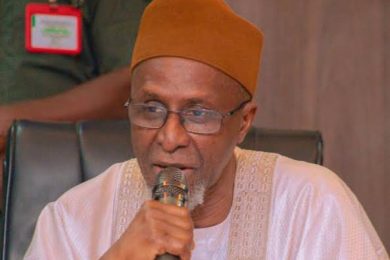
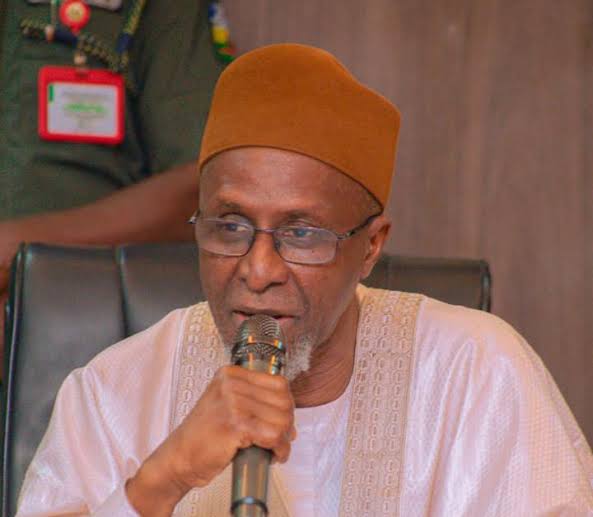
Balarabe Lawal, environment minister and chairman of the HYPREP governing council, announced the development on Monday, during activities marking the 10th anniversary of the Ogoni cleanup programme in Rivers.
Lawal said the five-year plan would provide a roadmap for completing outstanding interventions, sustaining restored ecosystems, preventing re-pollution and strengthening community ownership of completed projects.
He said the government would also establish a stronger post-remediation management framework to protect investments made in Ogoniland and ensure they continue benefiting affected communities.
The announcement came as HYPREP launched the second phase of shoreline cleanup and mangrove restoration at Patrick Waterside in Bodo City, Gokana LGA.
Nenibarini Zabbey, HYPREP project coordinator, said the restoration programme was already showing signs of ecological recovery, including the gradual return of fish and other aquatic species.
HYPREP said it has planted more than 1.5 million mangrove seedlings, while over 1,000 hectares of shoreline have been cleaned and 560 hectares restored with multi-species mangroves.
Zabbey said the recent designation of the Ogoni Mangrove Wetland as a Ramsar Site of International Importance further strengthened the need to protect the recovering ecosystem from indiscriminate mangrove cutting and other pressures.